
Industrial operations are changing. Skilled operators are becoming scarce. Assets are becoming more complex. And downtime is becoming more expensive. Automation is one of the strongest levers available to improve safety, reliability, and efficiency. It has the power to enable the next generation of remote operations and data-driven maintenance.


It is a dedicated environment where automation concepts are validated, expertise is deepened, and practical solutions are developed in collaboration with manufacturers, engineers, and asset owners. The lab strengthens our engineering and sourcing activities and ensures that valve automation decisions are grounded in real-world understanding, not theory.


The NexGen Solutionz Automation Lab is a place to strengthen what matters most in valve automation: knowledge, reliability, and real-world application. It is a controlled environment where we validate solutions, discuss, develop expertise, and stay ahead of emerging automation technologies. It exists to bring manufacturers, asset owners, and engineering partners together, and to accelerate the shift toward remote operations, prescriptive maintenance, and a more sustainable future.
A future that benefits the environment, improves profitability, and supports the people who keep critical infrastructure running.

More and more asset owners are moving toward remote operations to run their facilities with fewer people on-site while maintaining full operational control. Valve automation is a key enabler in that shift. It reduces manual intervention, improves process stability, and gives operators real-time data and insight into valve status and performance.
With the right automation strategy, remote operations become safer, leaner, and more predictable. A proven way to reduce overhead costs and improve decision-making.
For years, many facilities operated on “run to failure.” Later, risk-based inspection and preventive maintenance improved reliability. Today, automation technology enables a more powerful step forward: prescriptive maintenance.
Instead of relying only on inspection schedules, asset owners can monitor real-time valve health and performance. This makes it possible to prioritize maintenance actions based on actual condition instead of assumptions. Prescriptive maintenance reduces unnecessary interventions, prevents unexpected failures, and helps teams run more effectively.
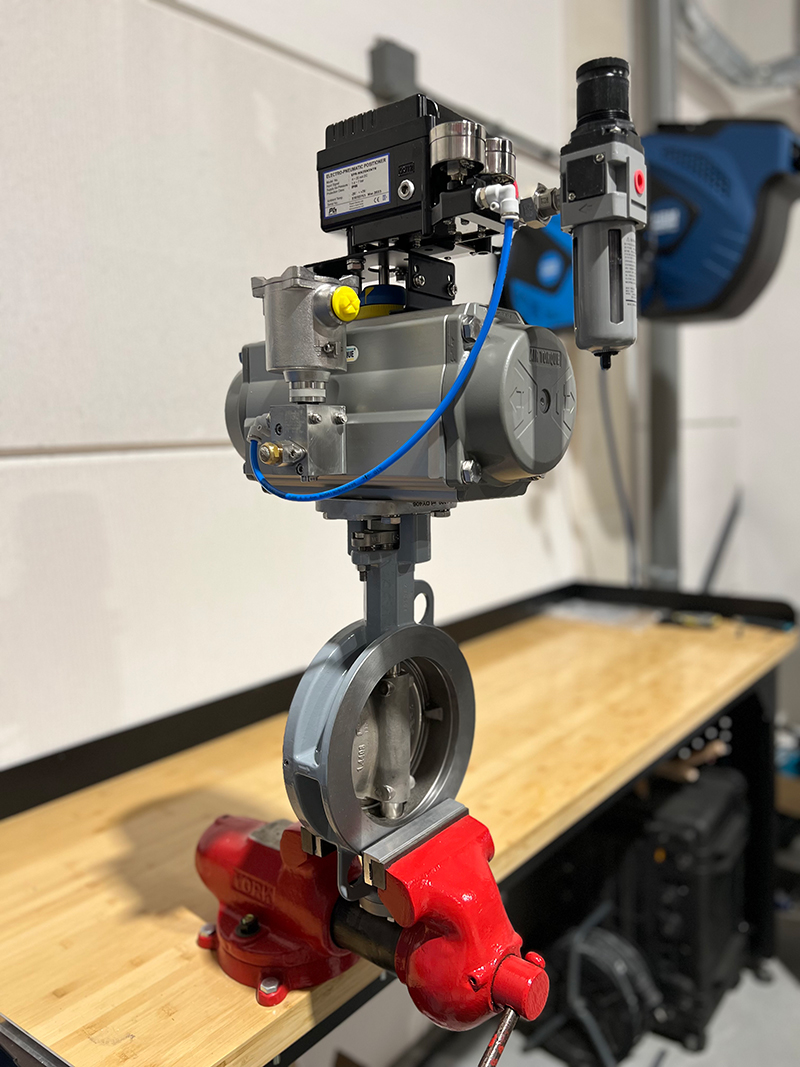


In practice, selecting the right actuator means considering factors such as:
· torque requirements and valve characteristics
· duty cycles and operational frequency
· onshore and offshore environments
· hazardous area classifications
· emergency shutdown (ESD) requirements
· environmental and process conditions
In the NexGen Automation Knowledge Lab, we explore how these factors influence real-world automation performance. By connecting practical field experience with technical expertise, we aim to support better decision-making and contribute to safer, smarter, and more future-ready operations. The impact can be seen in improved reliability, reduced downtime, simplified maintenance, longer equipment life, and more predictable operational performance across the full lifecycle of your asset.
Important considerations during turnaround automation projects include:
· project planning and execution timing
· sourcing and availability of automation components
· compatibility between valves, actuators, and accessories
· pre-assembly and functional testing
· expediting and logistics coordination
· quality assurance under tight deadlines
Addressing these factors early can help reduce turnaround risk, simplify execution onsite, and improve the predictability of startup and commissioning activities. The result is a safer, more efficient return to operation with minimal disruption to production.

Address
Delfweg 34E
2211 VM
Noordwijkerhout
The Netherlands

